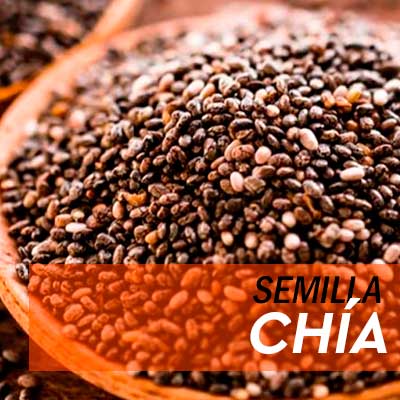
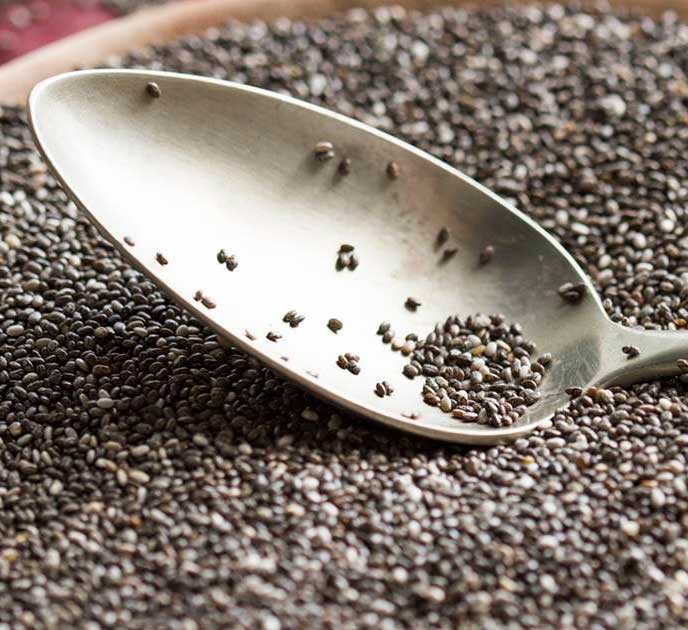
Superfoods are those that contain higher amounts of nutrients than other common foods, such as vitamins, minerals, antioxidants, and more. Among them, one that has been part of our diet since ancient times but has grown in popularity recently is the chia seed. Not only does its subtle flavor and unique consistency make it an ideal complement to many foods, it is also an excellent source of fiber, antioxidants, calcium, protein and omega 3.
Description of the Product
Documento sin t?tulo
WHAT ARE THE PROPERTIES OF CHIA?
It is no coincidence that little by little the chia seed has begun to be part of recipes for nutritious breakfasts, even when consumed in small quantities there are many benefits with which it is associated*. So what is chia good for?
CALCIUM
Chia is a good source of mineral calcium, recognized for its important participation in the formation and proper maintenance of the structure of our bones and teeth1.
DIETARY FIBER
Chia is an excellent source of dietary fiber, so its benefits include helping to reduce cholesterol. Given its high fiber content, chia absorbs water, forming a kind of gel, which expands in the stomach, which can help give us a feeling of prolonged satiety2.
OMEGA 3
Chia contains Omega 3 fatty acids. Omega 3 can have cardiovascular benefits. Omega 3s can help the body produce DHA, necessary for brain and cognitive function3.
VITAMIN B
Chia is a good source of B Complex vitamins such as thiamine and niacin, which play a critical role in the growth, development and function of our cells, making our body function better4.
ANTIOXIDANTS
Among the compounds that we can find in chia are those with antioxidant functions5.
PROTEINS
Chia seeds contain high-quality protein since they contain all the essential amino acids, therefore, they are a good source of protein. Two tablespoons of chia (30g) contain an average of 5g of protein, which represents almost 10% of the recommended daily value2.
*To obtain some benefit, it is recommended to include these vegetables in a correct diet and regular physical activity.
HOW CHIA IS CONSUMED
One of the benefits of chia seed is that it does not alter the flavor of foods, whether sweet or salty. Thanks to its mild and pleasant flavor, the uses of chia are very varied and you will be surprised by the number of recipes in which you can incorporate it: as a dressing, ground or simply mixed with water, its delicious texture can be combined with other foods or be consumed alone:
Chia water: Add a tablespoon of chia seeds to half a cup of cold or warm water, stir for a few seconds and let sit for 30 to 45 minutes before consuming.
Dressing: Sprinkle a teaspoon of chia seeds on fruits or salads.
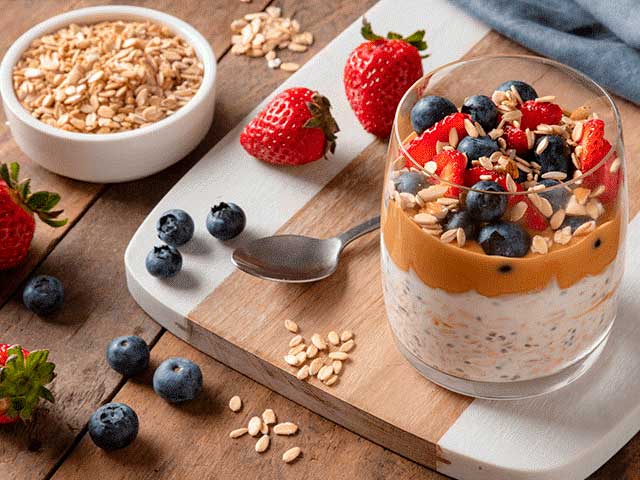
Complement: Place a teaspoon of chia seeds in your oatmeal, cereal or yogurt, fruits or salads. Enjoy its crunchy texture.
Chia pudding: Prepare an oatmeal and red fruit pudding with chia seeds in a container, add low-fat yogurt or the milk of your choice and store it in the refrigerator to consume the next day. Add a little honey and cinnamon to enhance its delicate flavor.
Ground chia: Additionally, you can add ground chia seeds to your smoothie with oats.
Nutritional composition
Their nutritional composition is remarkable, they are a source of vitamins and minerals such as calcium and magnesium. The amounts of calcium cover 63% of the recommended daily amounts and those of magnesium 95%. They also have a high fiber and protein content. But chia seeds stand out above all for their high content of healthy fats because it is the vegetable with the highest omega 3 content, especially alpha linolenic acid, it even surpasses oily fish. The only drawback is that it must be consumed in small quantities.
Benefits of chia seeds
Cardiovascular protection: studies confirm its cardioprotective effect due to its content of omega 3, a fatty acid with anti-inflammatory, vasodilatory and antithrombotic properties. Therefore, they help prevent high blood pressure, hypercholesterolemia and hypertriglyceridemia.
Improves intestinal transit: its high content of mucilage (soluble fiber that increases in volume in contact with water) stimulates intestinal movement, improving constipation. In addition, its viscosity hydrates and lubricates the gastrointestinal tract, helping to expel feces.
Improves hyperglycemia: thanks again to soluble fiber, it helps regulate blood sugar levels, since fiber ?traps? part of these sugars, absorbing them more gradually.