Southern Natural Seeds llc - Exportacion de Chia, Frejol, Quinua, Sesamo de Bolivia
Language:
Follow Us:
   
Products Minerals
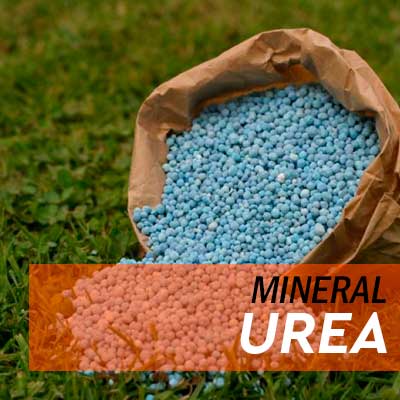
UREA


CHARACTERISTICS

Urea is one of the most concentrated fertilizers in nitrogen (46%) and usually the cheapest on the market. It is sold in pearlized and granulated forms, the first for use in fertiirrigation and the second, for direct application to the soil. It is very soluble and often used in liquid formulations. Its high solubility makes it popular for injection in localized irrigation systems. It is classified as an ammonia source and therefore tends to acidify the soil.

Description
of the Product
 

USE IN AGRICULTURAL CROPS

Urea as a fertilizer has the advantage of providing a high nitrogen content (46%), which is essential in the plant's metabolism. The biggest disadvantage it has is the loss of nitrogen (N) in the form of ammonia gas (NH3), coming from its decomposition when applied to the soil.

Urea is one of the most concentrated fertilizers in nitrogen (46%) and usually the cheapest on the market. It is sold in pearlized and granulated forms, the first for use in fertiirrigation and the second, for direct application to the soil. It is very soluble and often used in liquid formulations. Its high solubility makes it popular for injection in localized irrigation systems. It is classified as an ammonia source and therefore tends to acidify the soil.

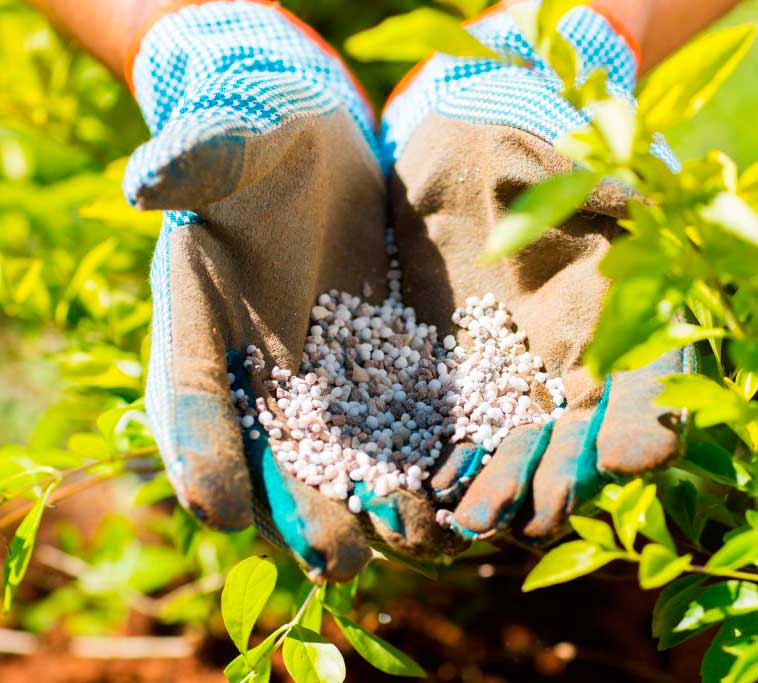
Urea fertilization

When fertilizing the soil with urea, its hydrolysis and subsequent ammonium oxidation release protons, increasing soil acidification. This increase in protons also produces a displacement of cations, intensifying the potential loss, mainly of calcium. It can be stated that the continued use of urea decalcifies the soil.

Urea and soil pH

The optimal pH for urease activity varies between 6.5 and 7.0. The rate of urea hydrolysis is five times greater at pH 6.0 compared to pH 4.0, measured in CaC12. In sandy soil, total urea hydrolysis can take 30 days, compared to a maximum of 14 days in more clay soils. The hydrolysis rate decreases with a higher dose of urea applied.
The initial pH of the soil influences the rate of nitrification of urea nitrogen. In soil of pH 6.4 measured in CaC12, all nitrogen is converted to nitrate in 10 days. In more acidic soils at pH 4.2 measured in CaC12, after 28 days of application, 25% of the initial N concentration remained.

Menu
Follow Us
Address: 5833 SW 24 St, Miami FL 33155
Phone: +1 786(538)8167 - info@southernnaturalseedllc.com - Florida - USA
Copyright © 2013 Southern Natural Seeds llc
Web design and development by Infografia Web